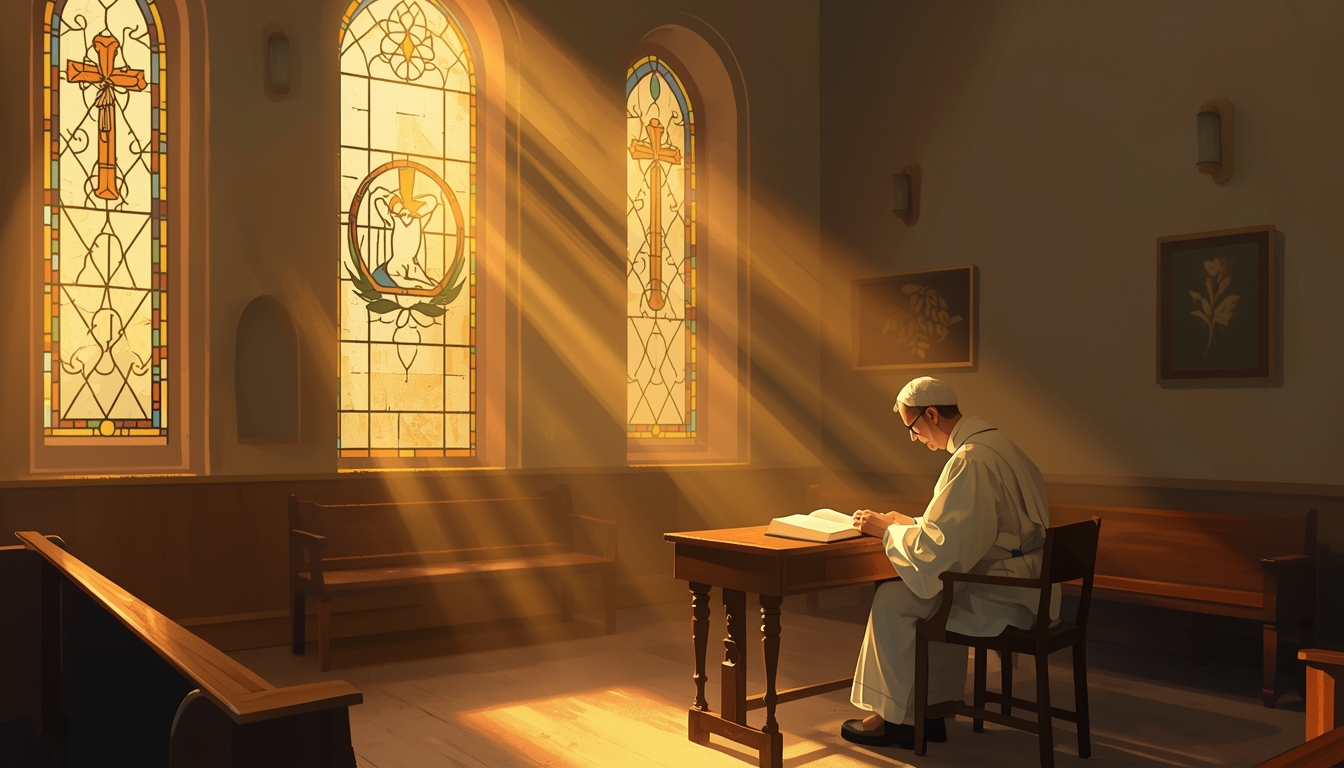
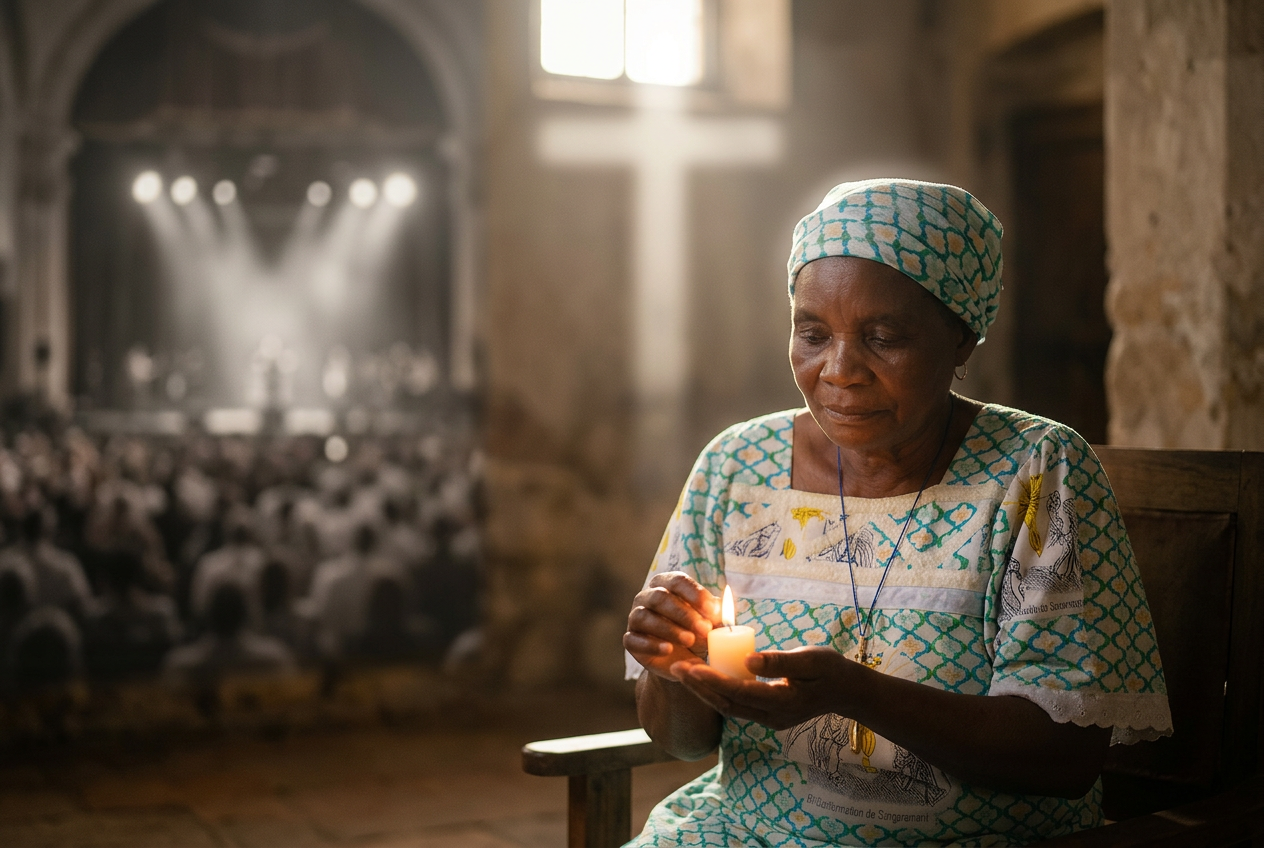
A preface is frequently disregarded. It does not debate, instruct, or draw a conclusion; it is positioned before the main material. However, the preamble plays a crucial function in faith-based writing by preparing the reader for a disposition other than knowledge. Father Paul Dakissage’s inspirational Catholic book prelude serves as a threshold, urging the reader to be open, humble, and attentive before the material actually starts.
Such a preamble creates orientation instead of imparting knowledge. It reminds readers that faith develops through preparedness as much as through comprehension, by framing how scripture, introspection, and story should be interpreted.
The Purpose of a Catholic Book Preface
In Catholic tradition, there is no preface to summarize content. It plays a formative instead of an explanatory role. It subtly aligns the work’s spirit with the reader’s expectations.
An inspirational Catholic book preface by Father Paul Dakissage, serves this function by emphasizing posture over certainty. It encourages introspection without requiring consent, enabling religion to develop gradually via involvement.
This deliberate start encourages reading as a spiritual activity rather than just an intellectual one.
Getting the Reader Ready, Not the Argument
A preamble defies urgency, in contrast to sermons or religious dissertations. It makes no effort to persuade. Instead, it prepares the interior space for reflection.
This preparation includes:
- Promoting focus instead of quickness.
- Recognizing the reader’s personal experience.
- Emphasizing patience in interpretation.
- Allowing questions to remain present.
This method turns the preamble from a directive to an act of accompaniment.
Faith Introduced Through Tone
Tone matters deeply in faith-based writing. Before meaning is formed, tone establishes trust. The text ahead is intended to be lived with instead of rapidly ingested, as indicated by a thoughtful, methodical tone.
The tone serves as an invitation in Father Paul Dakissage’s preface to an uplifting Catholic book. Readers can immerse themselves in the work without feeling rushed, as the language is solid, approachable, and restrained.
Instead of becoming defensive, this tonal balance keeps readers open-minded.
Why the Beginning Matters in Faith Writing
Beginnings shape engagement. Understanding may be limited when readers come upon religious materials with preconceived notions. These expectations are somewhat relaxed in a prelude.
The preamble reframes the reading experience by placing faith as a journey rather than a conclusion. It implies that thought is just as important as clarity and that meaning might come gradually.
This method reflects the emphasis placed by Catholic tradition on both doctrine and contemplation.
The Prelude as a Moment of Transition
Similar to the silent pause in liturgy, this transitional moment is a purposeful space where a responsive, sacred awareness is invited, and the secular perspective is shed. This transitional area is expertly created in Father Dakissage’s preamble.
The design enables users to access real-time information while they wait to proceed to the next segment of the story. The practice requires people to control their speed because it serves as a method of spiritual development, which is practiced at a slower pace than modern society demands instant solutions, and people achieve deep spiritual growth through extended periods of silent waiting.
The Relationship Between Preface and Lived Faith
A preface does not stand apart from life. However, it links the book to the reader’s everyday life. Faith is presented as something experienced by memory, hardship, and everyday practice rather than as an abstract concept.
An inspirational Catholic book preface by Father Paul Dakissage, often acknowledges this lived dimension. It honors the fact that readers contribute their own queries, past experiences, and doubts to the text.
Instead of encouraging idealization, this recognition promotes sincerity.
The Quiet Authority of Intentional Writing
Authority in a preface does not come from assertion. It emerges through clarity of intention. When a writer communicates why a text exists, without prescribing how it must be received, trust develops.
The authority of an inspirational Catholic book’s preface lies in its restraint. Its intent does not overpower the reader. Instead of overtly stating intention, it permits it to be felt.
This nuance is consistent with contemplative Catholic spirituality.
Preface as a Request, Not a Guide
The most timeless religious writings start with an invitation. Deeper engagement is encouraged by a prelude that respects the reader’s independence.
Invitation is expressed by:
- Refraining from making firm statements right away.
- Permitting quiet time for introspection.
- Presenting the book as a friend rather than a manual.
- Encouraging return rather than completion.
From this perspective, the preamble is integrated into the actual spiritual experience.
Why Inspirational Prefaces Remain Relevant Today
In a culture oriented toward immediacy, prefaces slow the pace. They remind readers that some understanding cannot be rushed.
Inspirational Catholic book prefaces remain relevant because they:
- Restore intentional reading.
- Encourage reflective engagement.
- Support patience in belief.
- Normalize uncertainty within faith.
They act as quiet thresholds rather than declarations.
Key Elements of an Inspirational Catholic Book Preface by Father Paul Dakissage
Viewed from an on-site editorial perspective, such a preface can be understood through several defining elements.
These include:
- Emphasis on reader readiness.
- Reflective and restrained tone.
- Connection between text and lived faith.
- Invitation over instruction.
- Openness to gradual understanding.
When combined, these components set the reader up for significant interaction.
FAQs | An understanding of Inspirational Catholic Book Preface by Father Paul Dakissage
Q1: What is the goal of a foreword to an inspirational Catholic book?
A: Prior to reading the main material, it serves to spiritually and thoughtfully prepare the reader.
Q2: Does a Catholic preface explain doctrine?
A: No. It orients the reader toward reflection rather than instruction.
Q3: Why is tone important in a preface?
A: Tone establishes trust and signals how the text should be approached.
Q4: How does a preface support faith?
A: By encouraging attentiveness, patience, and openness to ongoing understanding.
Q5: Who benefits from reflective Catholic prefaces?
A: Readers seeking thoughtful engagement with faith instead of immediate conclusions.