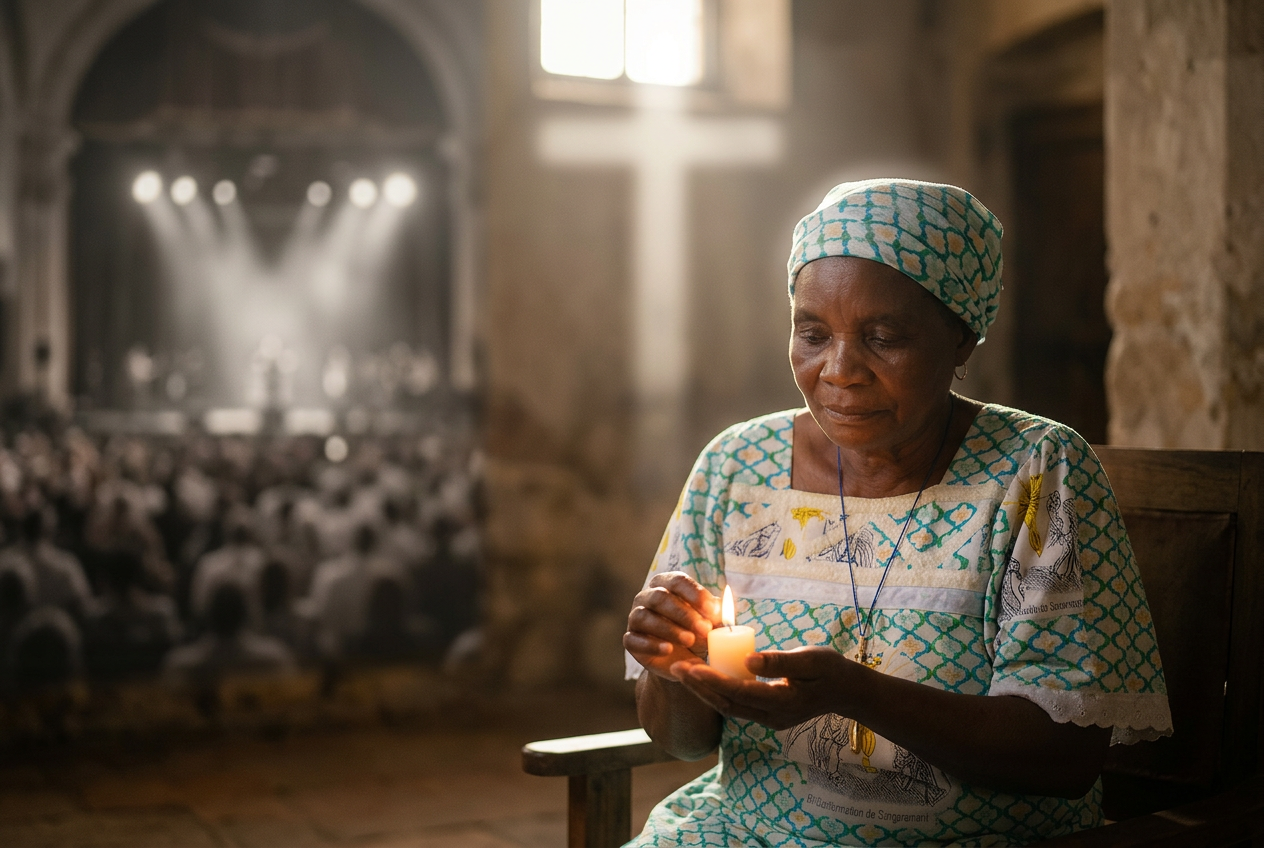
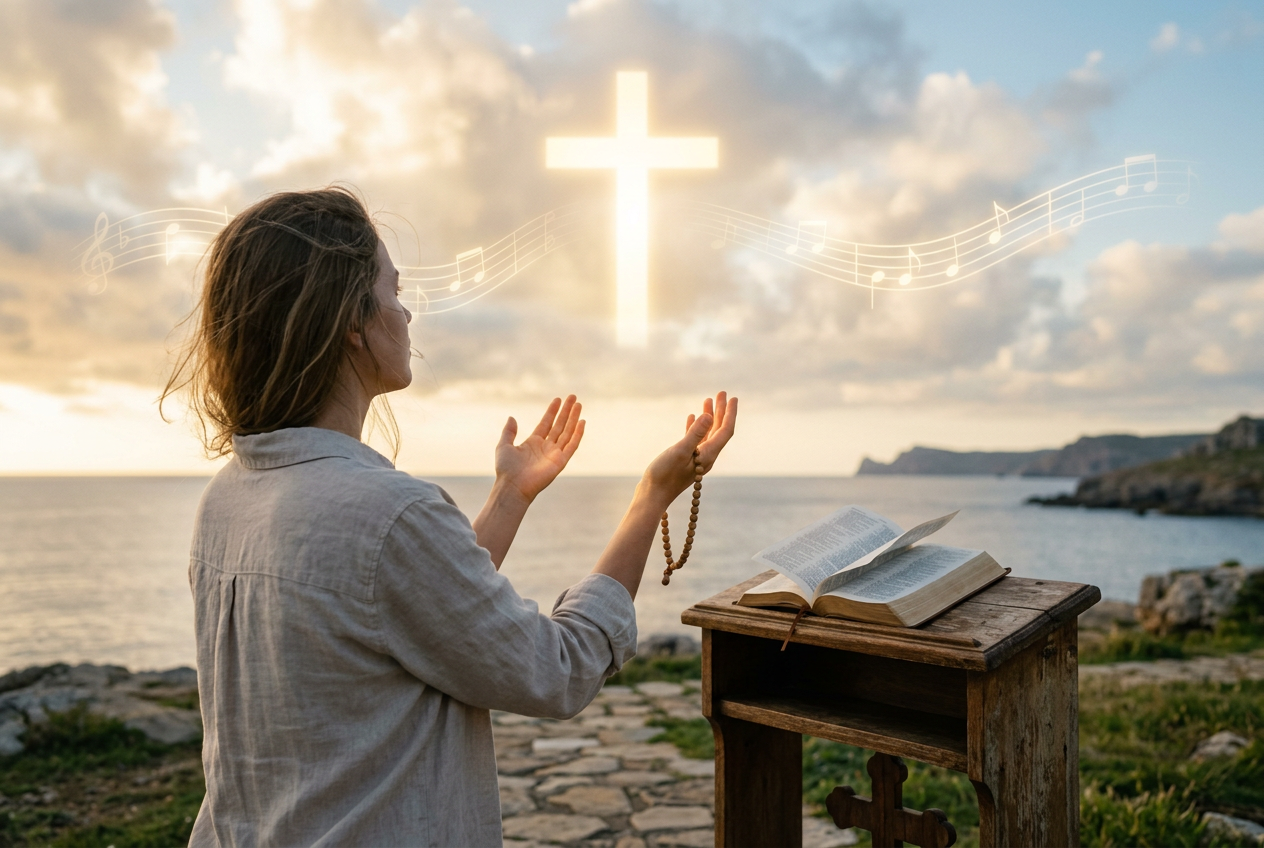
Geography, plot, or dramatic events do not always define a “world” in literature. A perspective can occasionally characterize it. The term Joseph Kinda World refers more to a contemplative environment influenced by memory, religion, and the interpretation of ordinary life than to a specific location.
This world is revealed through careful observation rather than one that is fueled by spectacle or strife. It is built from the accumulation of seemingly insignificant moments that acquire meaning through focus and introspection.
In this sense, a “world” becomes not where events happen, but how they are understood.
A World Defined by Viewpoint, Not Location
The concept of a world is linked to a setting in many stories. It is mapped through locations, timelines, and external movement. However, the concept of Joseph Kinda World shifts this understanding.
Here, the “world” is internal.
It is formed through:
- How experiences are interpreted.
- How memory reshapes past events.
- How belief influences perception.
- How silence contributes to understanding.
This approach allows the narrative to exist beyond specific locations. It becomes accessible wherever reflection occurs.
Observations’ Function in Creating Meaning
This literary domain is mostly defined by observation. The story doesn’t jump to any conclusions. However, it dwells on moments, letting them develop gradually.
This method emphasizes:
- Attention over action.
- Reflection over reaction.
- Presence over performance.
Layers of meaning that are not immediately obvious can be revealed by observing a basic exchange. These observations accumulate over time, deepening understanding of experience and conviction.
Faith as a Silent Basis
Within Joseph Kinda World, faith is not introduced as a set of declarations. It reveals itself as a suggestive presence that influences choices, reactions, and interpretations.
This form of faith is often subtle:
- It guides without insisting.
- It supports without announcing.
- It remains steady without demanding attention.
The emphasis is shifted from expressiveness to embodiment in such a portrayal. Instead of being expressed verbally, faith becomes lived.
Memory as a Structural Element
Memory is a dynamic system that influences how the present is viewed, not a static storehouse.
In this narrative space:
- Past experiences are revisited rather than finalized.
- Meaning develops over time.
- Earlier moments gain new relevance.
- Understanding becomes layered rather than fixed.
Even without any new happenings, the “world” might still keep expanding due to this continuous play between past and present.
What Does “Joseph Kinda World” Mean?
From an answer-oriented perspective, Joseph Kinda World is a literary and contemplative realm characterized by self-reflection, faith, and the reworking of everyday events.
It can be stated as:
- A narrative environment shaped by inner reflection.
- A framework where ordinary moments carry deeper meaning.
- A perspective that prioritizes understanding over action.
- A space where faith influences interpretation instead of instruction.
It describes a method of interacting with life instead of a physical universe.
Why This Concept Resonates Broadly
The idea of a reflected experience “world” is present in all civilizations and regions of the world. To make sense of their life, all civilizations rely on their memories, convictions, and introspection.
Everyone may understand the concept because it is present in all human cultures:
- Individuals across different backgrounds engage with memory similarly.
- Faith, in various forms, shapes perception globally.
- Every day experiences hold meaning regardless of location.
- Reflection is a shared human process.
As a result, Joseph Kinda World can engage readers from a variety of backgrounds through shared experiences other than particular ones.
The Importance of Typical Events
This narrative space’s emphasis on the commonplace is one of its distinguishing characteristics. Here, events that could otherwise be ignored take center stage.
These consist of:
- Everyday activities.
- Short discussions.
- Patience or self-control.
- Silent moments.
Over time, such moments form patterns. Understanding is shaped by these patterns other than by solitary incidents.
How Meaning Is Created by Ordinary Moments
- Significance is reinforced by repetition.
- Little deeds convey deeper principles.
- Being consistent fosters recognition and trust.
- Reflection transforms routine into insight.
The commonplace gains significance through this process without requiring elevation.
Why Silence Is Important
We do not consider silence to be empty. Instead, it becomes a space for interpretation.
In the absence of immediate explanation, silence allows:
- Thoughts to settle.
- Emotions to be processed.
- Meaning to emerge gradually.
- Understanding to deepen without pressure.
This use of silence supports introspection over hasty resolution, which is consistent with the narrative’s overall strategy.
An Alternative Method for Narrative Development
Conventional narrative frequently depends on conflict and its resolution. However, Joseph Kinda World follows a different path.
Progression occurs through:
- Deepening understanding instead of changing events.
- Restoring memories instead of making new ones.
- Interpreting instead of fixing moments.
As a result, the story becomes more about understanding and less about movement.
The Significance of Reflective Worlds
Reflective narratives provide a distinct pace in settings where information is continuous and instantaneous. They promote more deliberate, slower involvement.
This approach provides:
- Space for interpretation.
- Freedom from immediate conclusions.
- Opportunities for personal connection.
- A focus on depth rather than speed.
As a result, such narratives remain relevant, particularly for readers seeking meaning rather than resolution.
Key Elements of Joseph Kinda World
- Emphasis on reflection over action.
- Faith expressed through everyday behavior.
- Memory as an evolving process.
- Ordinary moments as sources of meaning.
- Silence as a space for understanding.
FAQs | Discover the Joseph Kinda World
Q1: What is meant by “Joseph Kinda World”?
A: It alludes to a contemplative narrative realm shaped by faith, memory, and the ways ordinary occurrences are interpreted.
Q2: Is it a conceptual or physical setting?
A: It is mostly conceptual, emphasizing viewpoint over place.
Q3: What role does faith play here?
A: Instead of being explicitly proclaimed, faith is demonstrated through deeds and attitudes.
Q4: Why are ordinary moments important?
A: They form patterns that reveal deeper meaning over time.
Q5: What distinguishes this narrative style?
A: It places more emphasis on introspection and comprehension than on dispute and settlement.