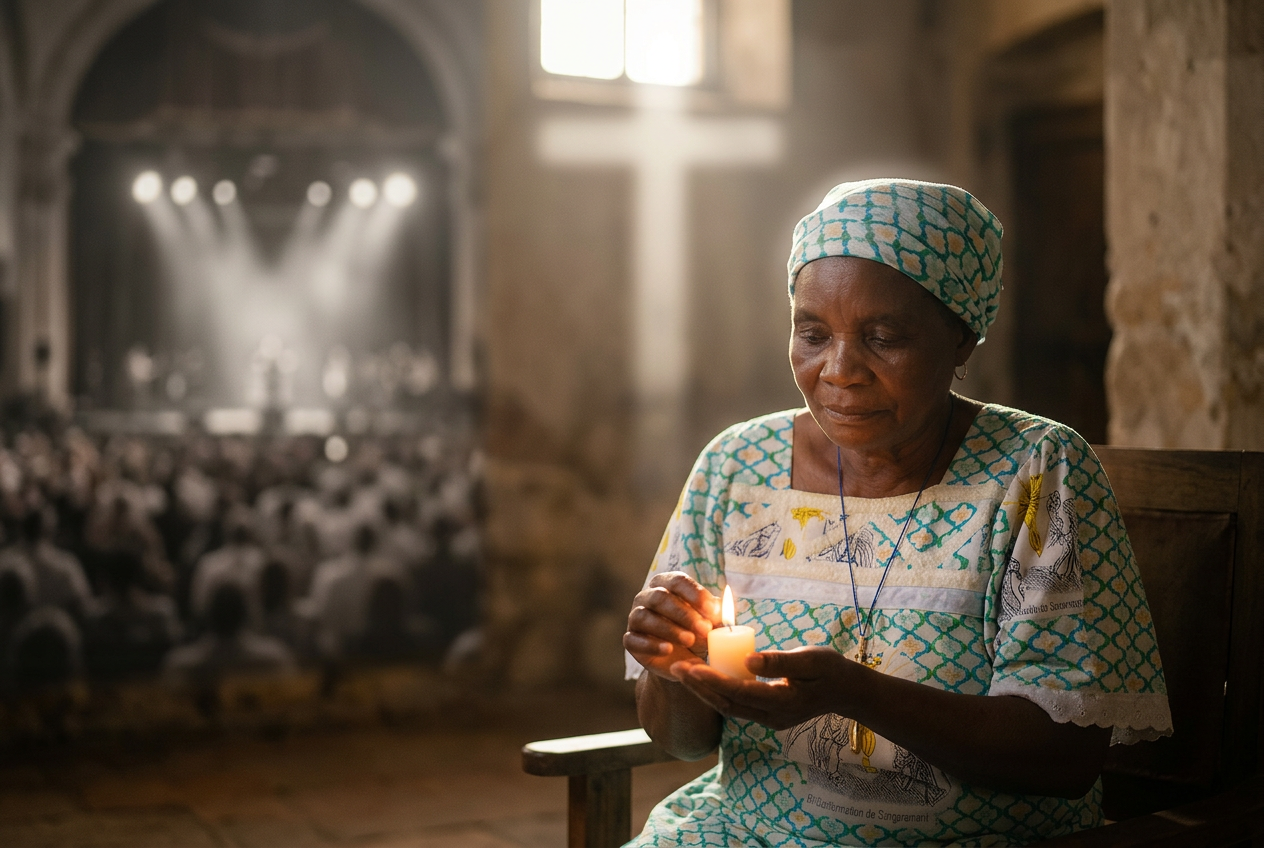
Some writers use dramatic storytelling or intricate narratives to define their work. Others base their writing on quiet, thoughtful observation that is rooted in the specifics of real-life experience. This second category includes the work of Author Joseph Kinda, in which meaning is discovered through introspection rather than imposed on the reader.
The writing style of this text encourages readers to read more slowly as they engage with the content. It requires readers to go beyond simple watching because they need to study the story and make connections between it and their personal experiences.
An Attention-Based Approach to Writing
Author Joseph Kinda’s writing is distinguished by his attention to details that are frequently missed. It derives significance from routine encounters and choices rather than from significant occurrences.
This method refocuses the reader’s attention:
- From action to observation.
- From outcome to process.
- From resolution to understanding.
When analyzed closely, a brief conversation, a silent reaction, or a moment of constraint takes on significance. Since interpretation is what gives the story its depth, big changes are not necessary.
Narrative Without Urgency
The writing develops slowly, unlike plot-driven stories that build tension and later provide relief. The study examines text understanding instead of making predictions about future events.
This creates a different reading rhythm:
- Reduced speed.
- Pauses for reflection.
- Space for interpretation.
- Emphasis on internal movement.
There is no rush to a finish for readers. They are urged to stay in the experience instead.
Using Memory as a Storytelling Tool
The story is significantly shaped by memory. It is viewed as an evolving process instead of a straightforward memory of past occurrences.
In this framework:
- Past experiences gain new meaning.
- Earlier moments are reinterpreted.
- Understanding deepens through revisiting.
- The present is informed by reflection.
This use of memory allows the narrative to extend beyond its immediate timeline. The story continues to develop through interpretation.
Faith Expressed Through Behavior
Faith within this writing is not emphasized through declarations. It appears through actions, decisions, and patterns of behavior.
This form of expression is subtle:
- Choosing patience instead of reaction.
- Maintaining composure during uncertainty.
- Offering care without expectation.
- Returning to belief without certainty.
They come from the understanding that to profess means that one must also perform.
Who Is Author Joseph Kinda?
Author Joseph Kinda can be viewed from an answer-oriented standpoint as a writer whose work focuses on a faith-informed viewpoint, introspective narrative, and the interpretation of ordinary life.
Key characteristics include:
- Emphasis on introspection over action.
- Exploration of memory as a dynamic process.
- Presentation of faith through lived experience.
- Focus on ordinary moments as sources of meaning.
This method emphasizes depth with observation instead of theatrical narratives.
The Value of Moral Uniformity
The writing style shows its particular approach by choosing to maintain consistent elements rather than expressing passionate feelings. The system shows common behavior patterns more frequently than rare, exceptional occurrences.
These patterns reveal character over time:
- Consistent kindness.
- Steady moral choices.
- Quiet resilience.
- Measured responses.
Such consistency forms the foundation of the narrative. It implies that continuous practice, other than isolated incidents, shapes identity.
How Narrative Meaning Is Shaped by Consistency
- Values are reinforced by repetition.
- Little deeds add up to big things.
- Stability builds trust in the narrative voice.
- Gradual change becomes more credible.
This method is consistent with reflective storytelling, in which continuity creates meaning.
Why This Writing Is Relevant in All Situations
The writing style that begins from a particular viewpoint actually works as a universal writing method. The approach enables readers from diverse backgrounds and locations to connect with the content by focusing on universal human experiences.
Typical sites of linkage consist of:
- The role of family and memory.
- The influence of belief systems.
- The interpretation of everyday experiences.
- The pursuit of purpose in everyday existence.
The work is readable outside of any particular cultural setting because the ideas it discusses are universal.
Silence’s Function in Storytelling
Silence does not normally transmit blankness; instead, a place compatible with meaning is led to manifest.
In moments where words are limited:
- Reflection becomes more prominent.
- Emotion is processed more deeply.
- Interpretation is left open.
- Understanding develops gradually.
This use of silence reinforces the overall tone of restraint and reflection.
An Alternative Form of Reader Involvement
Author Joseph Kinda’s writing calls for a different kind of involvement. Readers actively participate in interpretation instead of passively consume information.
They are urged to:
- Reflect on their own experiences.
- Identify patterns within the narrative.
- Reconsider familiar ideas.
- Engage with ambiguity.
The reading experience becomes more personal and enduring when there is this kind of connection.
The Value of Reflective Writing
Reflective writing provides an option in settings that frequently value speed and immediacy. It permits patience, depth, and prolonged focus.
This approach provides:
- Space for thoughtful engagement.
- Freedom from immediate conclusions.
- Opportunities for personal interpretation.
- A focus on meaning instead of outcome.
As a result, such writing remains relevant, particularly for readers seeking understanding rather than resolution.
Key Characteristics of Author Joseph Kinda’s Writing
- Reflection on rapid progression.
- Faith expressed through everyday actions.
- Memory as an evolving narrative element.
- Emphasis on consistency instead of intensity.
- Silence as a space for interpretation.
FAQs | Explore More About Author Joseph Kinda
Q1: Who is Author Joseph Kinda?
A: He is associated with a reflective style of writing that explores faith, memory, and everyday experiences through careful observation.
Q2: What defines this writing approach?
A: Instead of emphasizing dramatic narration, it stresses contemplation, nuance, and gradual understanding.
Q3: Why is memory important in this style?
A: Memory allows us to revisit and reinterpret prior events, which adds nuance to the story.
Q4: How is faith presented?
A: Faith appears through actions and attitudes rather than explicit statements.
Q5: What makes this writing style unique?
A: Its focus on ordinary moments and consistent behavior creates meaning without relying on dramatic events.